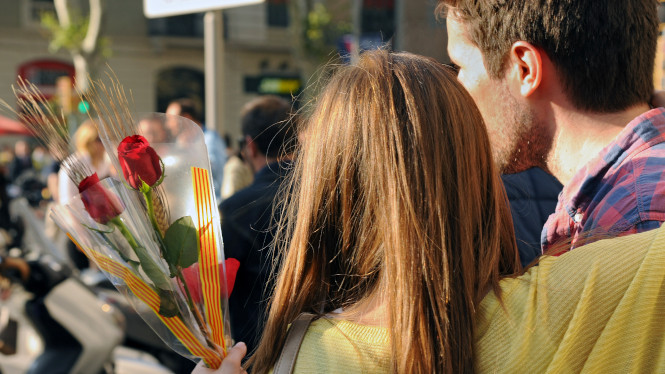
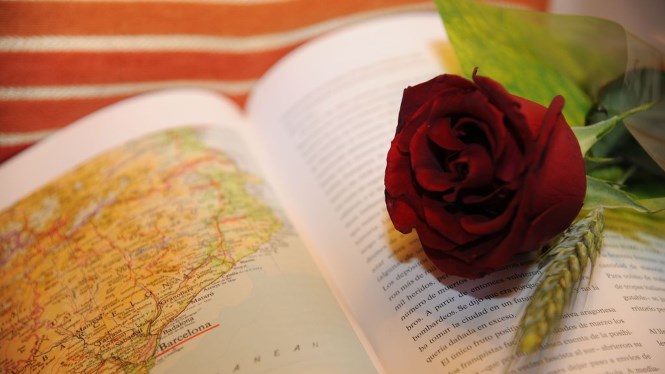
Sant Jordi is one of the most emblematic and beloved celebrations in Catalonia, a festival that combines tradition, culture, and street life. Every April 23, Barcelona is transformed into a large open-air stage where books and roses take center stage.
The legend of Sant Jordi, which tells how the knight defeated the dragon to save the princess and how a rose sprang from its blood, is the symbolic origin of this celebration. Over time, the day has evolved into a major civic and cultural event, also linked to World Book Day.
Throughout the day, streets and squares are filled with book and flower stalls, authors signing copies, and a vibrant atmosphere that invites people to stroll and discover the city from a different perspective. The tradition of giving a rose and a book remains alive, making Sant Jordi a unique experience that connects culture, emotion, and identity.
For Sant Jordi 2026, the large pedestrian area returns between Diagonal Avenue, Gran Via, and Balmes and Pau Claris streets, extending through Portal de l’Àngel to Avinguda de la Catedral and along a section of Gran de Gràcia, from Pla de Nicolás Salmerón to Carrer d’Astúries.
Traffic restrictions in the Sant Jordi area of the Eixample
From 10:00 p.m. on April 22 until 4:00 a.m. on April 24, circulation (bicycles and private vehicles) will be prohibited داخل the enclosed perimeter of the Eixample. During this period, traffic will only be allowed on the perimeter streets of the Sant Jordi area and on Aragó Street, València Street, and Gran Via. Bicing stations will also be out of service.
Parking will not be allowed on any street داخل the perimeter from 8:00 a.m. on April 22 until circulation is restored. Access to private parking facilities will also be closed. Walking or using underground public transport is recommended.
Related Sant Jordi Agenda:
22/4 - Sant Jordi opening speech by Ali Smith. 6 pm. More information
Book and rose stalls across all city districts
Location of the main reserved areas:
Ciutat Vella: Portal de l’Àngel to Av. Catedral and Pg. Lluís Companys. L’Eixample: Pl. Catalunya, Pl. Universitat, Rambla Catalunya, Pg. de Gràcia and Pg. Sant Joan Sants-Montjuïc: Rambla de Sants. Les Corts: Diagonal Avenue (between Joan Güell and Pau Romeva streets, seaside). Sarrià - Sant Gervasi: Sarrià square. Gràcia: Gran de Gràcia (between Sèneca and Rambla del Prat) and Vila de Gràcia square Horta-Guinardó: Eivissa square. Nou Barris: Via Júlia canopy (between Argullós and Joaquim Valls streets) and Virrei Amat square (junction of Felip II and La Jota streets). Sant Andreu: Orfila and Comerç squares, and Segre street (between Pont and Cinca streets). Sant Martí: Rambla del Poblenou (between Calvell promenade and Diagonal Avenue), Cabanyal and Sèquia Comtal streets, Mercat and Font i Sagué squares, and the Biblioteca Gabriel García Márquez area.
Barcelona City Hall Open Day
23/4: from 10 am to 8 pm. More information
Traditional sardana dance performance
23/4 at 7 pm. More information
City Agenda:
16-24/4: Barcelona-Sant Jordi International Film Festival.
23/4: Sant Jordi Musical. Former Estrella Damm Factory.
Open Day
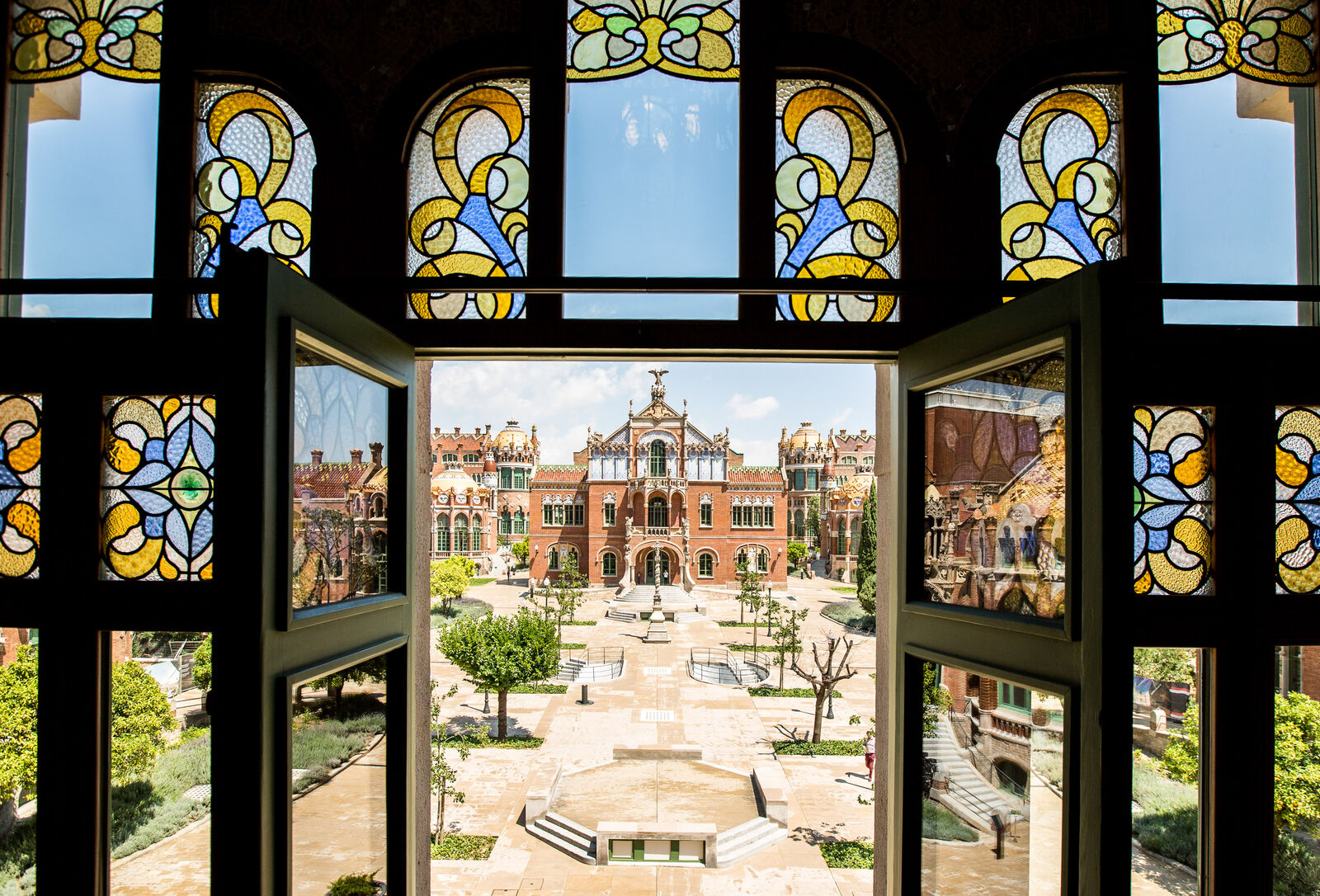
Sant Pau Modernist Site from 9:30 am to 6:30 pm
Mies van der Rohe Pavilion from 10 am to 8 pm
Library of Catalonia from 10 am to 7:30 pm
Excursionist Centre of Catalonia from 11 am to 1 pm
Barcelona Provincial Council from 10 am to 8 pm
Ateneu Barcelonès from 11 am to 8 pm
Palau de la Generalitat from 1 pm to 8 pm
Institute of Catalan Studies from 10 am to 12 pm and from 4 pm to 7 pm
Palau Güell from 10 am to 8 pm
Museum of the History of Catalonia from 10 am to 7 pm
There are two official languages in Catalonia: Catalan and Spanish, and there are more and more people in the region who understand and speak English. You’re sure to get by.
One of the symbols of Barcelona, a meeting place for locals and visitors alike where people also flock to celebrate the victories of the Catalan team, Futbol Club Barcelona, Barça. The Canaletes Fountain has become one of Barcelona's most visited landmarks.
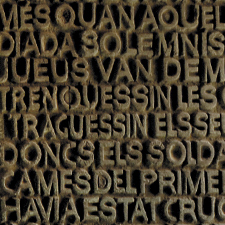
The Fossar de les Moreres is a place of great symbolic significance where the weight of history takes centre stage. Here, right in the centre of the Born neighbourhood, was the site of the graveyard for the fallen during the 1714 Siege of Barcelona. A monument stands on the site as a reminder. The place sometimes goes unnoticed by visitors. For the Catalans, the fossar is more than a memory. It is a homage.
Tarragona city, the capital of the Costa Daurada, is a city that grew out of the sea. 92 km south of Barcelona, showcases a roman legacy which has been declared a World Heritage Site by Unesco