




Result of your search for "tours"
-
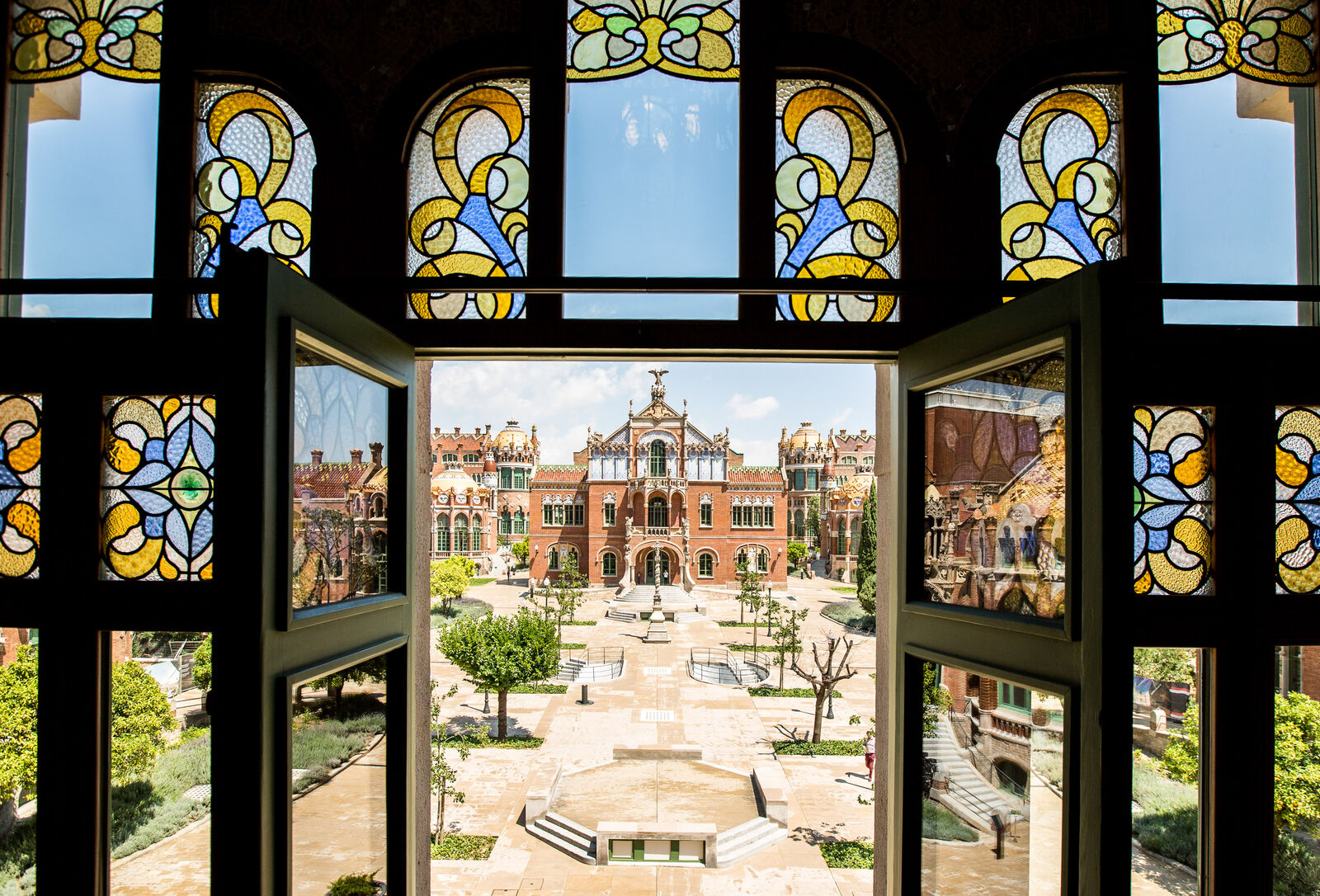
Like a small diagonal that breaks with the perfect grid layout of the Eixample, the Avinguda Gaudí stretches proudly from the Sagrada Família towards the Hospital de Sant Pau. A semi-pedestrianised street that connects two magnificent landmarks, one by Gaudí and the other by Domènech i Montaner.
-
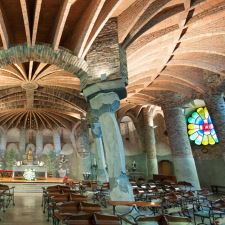
Cripta Gaudí at the Colonia Güell
The Colònia Güell, one of the most pioneering purpose-built industrial villages of the 19th century is located in the town of Santa Coloma de Cervelló, 23 Km to the south-west of Barcelona. Gaudí developed the architectural innovations of his later works in the church crypt, which has been designated a Unesco World Heritage site.
-
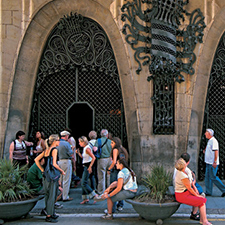
The Palau Güell was designed by the young Gaudí and is a wonderful blend of medieval opulence and the architect's unique exuberant style. Completed in 1890, the building was the private residence of Gaudí's patron, Count Güell. The Palau Güell is a designated UNESCO World Heritage Site.
-
The 11 counties in Barcelona province offer you a whole host of possibilities so that you can enjoy leisure, culture and nature.
-
-
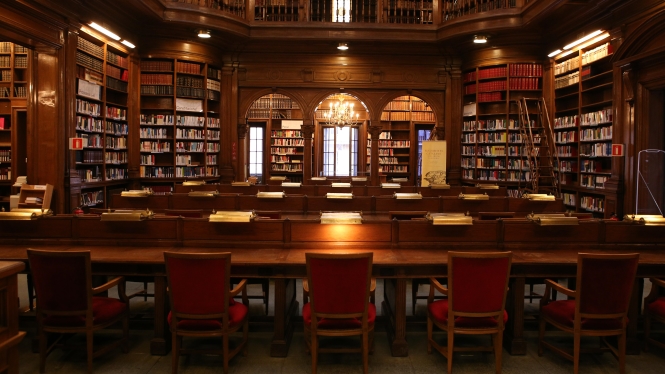
The imposing neoclassical façade of the Palauet Casades, a centrepiece of the modernisme trail, is one of the few surviving examples of the early architecture of the Eixample.
-
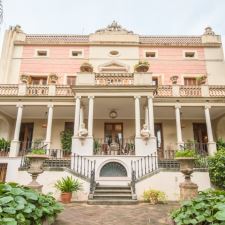
The Casa Rocamora is an imposing palazzo located in the uptown district of El Putxet.
-
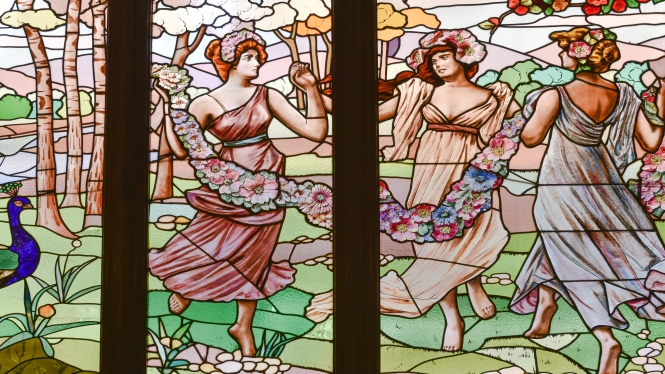
The house was built in 1905 for the Felip family to a design by the architect Telm Fernández i Janot, and reminds us of a Venetian palazzo, with its sinuous forms and flights of steps.
-
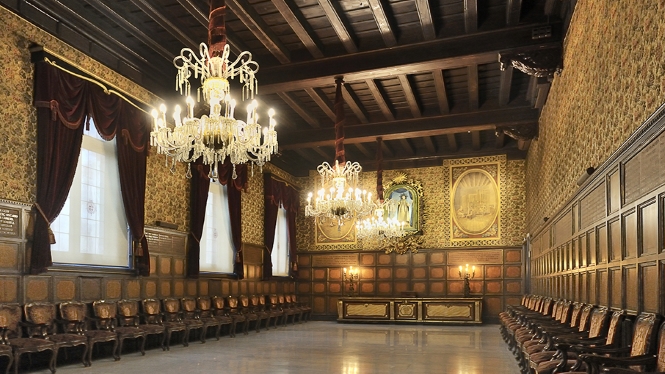
The elegant and mysterious Casa de la Seda is a beautiful and opulent building that stands next to the Palau de la Música Catalana and was declared an Architectural Landmark of National Interest in 1919.
-