



Result of your search for "history"
-
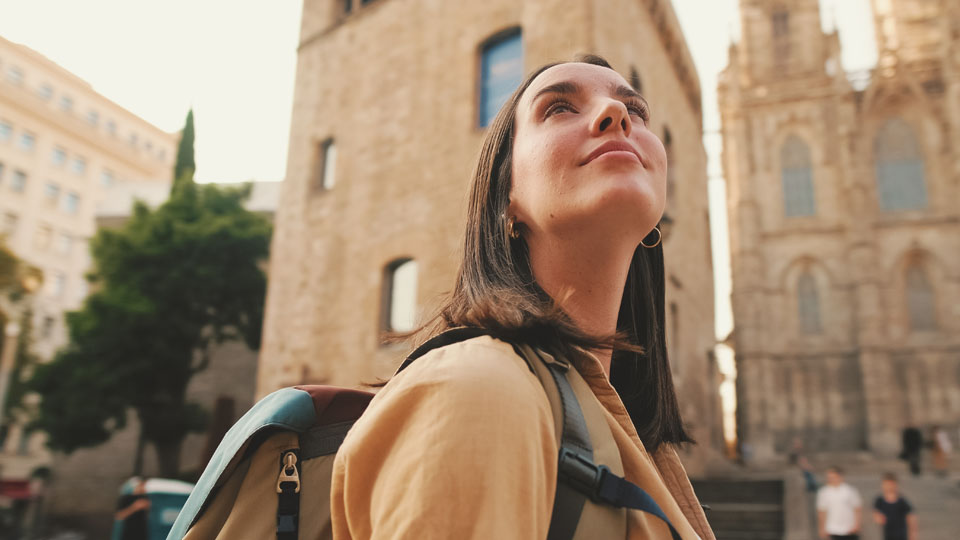
A stroll through Barcelona's Gothic Quarter brings to light the early Roman city of Barcino and the medieval town with its palazzos, mansions and Gothic churches. This is the style that defines "the heart of Barcelona": a neighbourhood where the splendour of the historic past coexists with the vibrancy of the present.
-
Barcelona wouldn't be Barcelona without the Rambla. A wander up and down this famous boulevard is a ritual well worth observing. Just soak up the atmosphere and admire the buildings, from the Canaletes fountain to the Columbus Monument, which connect the old and modern city with places like Liceu and Boqueria. A walk through the life and history of the city.
-
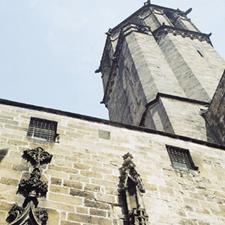
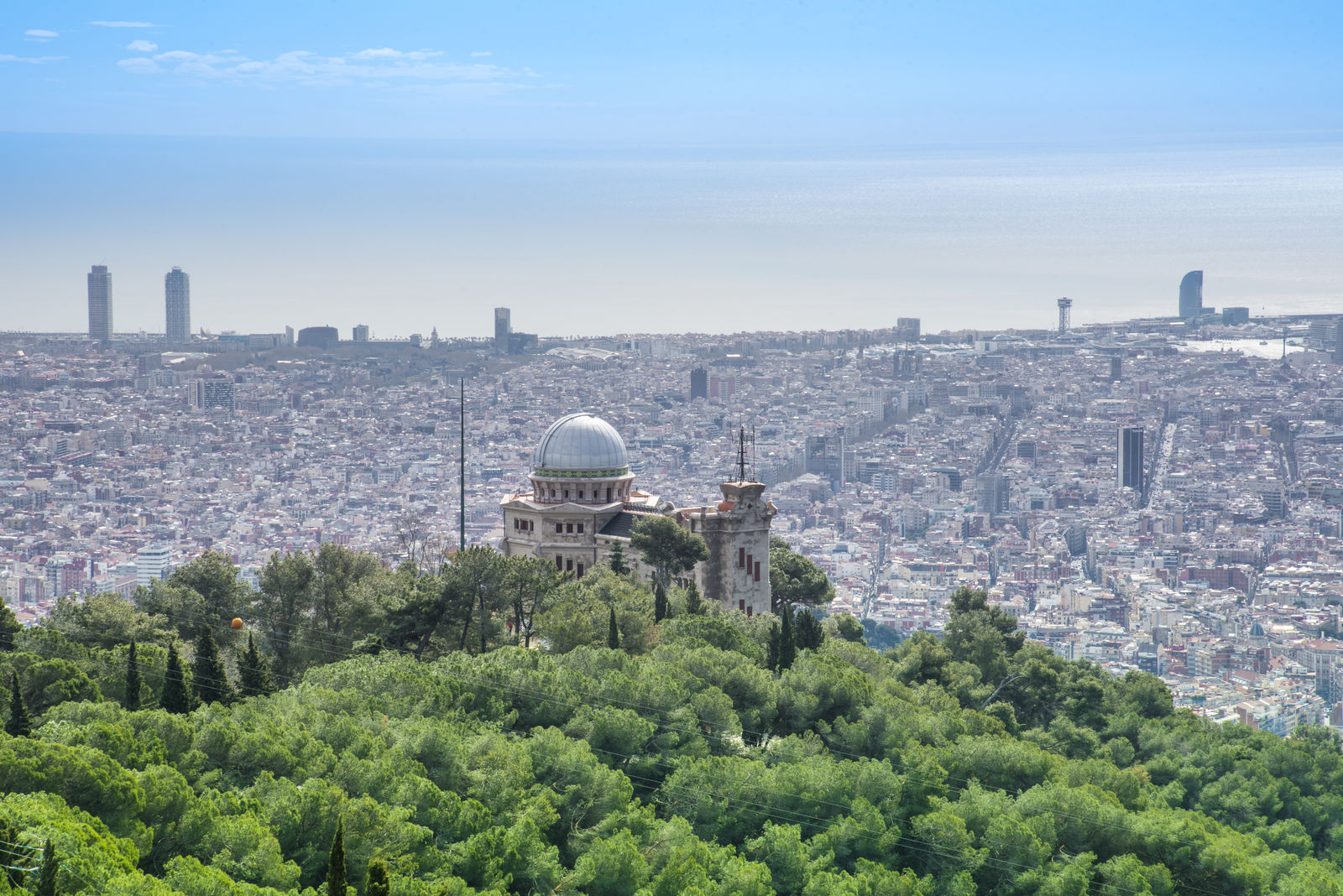
The cradle of Catalan culture, amongst many other cultures and civilisations, and a witness to major transformations such as the Industrial Revolution or the Civil War amongst many others, Barcelona has a fascinating history. Find out more about it!
-
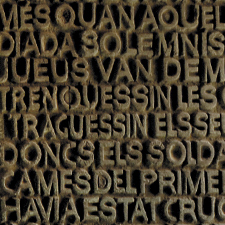
There are two official languages in Catalonia: Catalan and Spanish, and there are more and more people in the region who understand and speak English. You’re sure to get by.
-
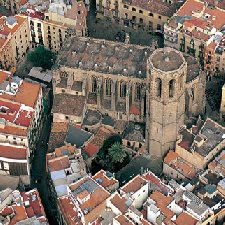
Barcelona district by district
Discover the characteristics, charm and the most interesting and attractive places of Barcelona's districts and neighbourhoods!
-
A tour of Roman Barcelona is a box of surprises containing archaeological remains dating from the time the city was established. Barcino, the Roman city founded in the 1st century BC, has left us a valuable legacy, which can be found in the Gothic Quarter, the site of the early walled city.
-
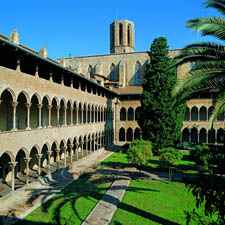
A visit to medieval Barcelona is one of the most fascinating city itineraries. The power wielded by the Crown of Catalonia and Aragon over the Mediterranean during the Middle Ages has left a valuable legacy of palazzos, churches and civic buildings. Most of them can be found in the old town, Ciutat Vella.
-
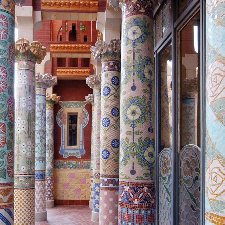
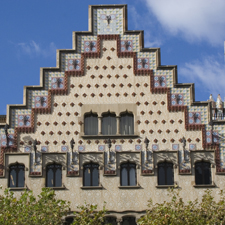
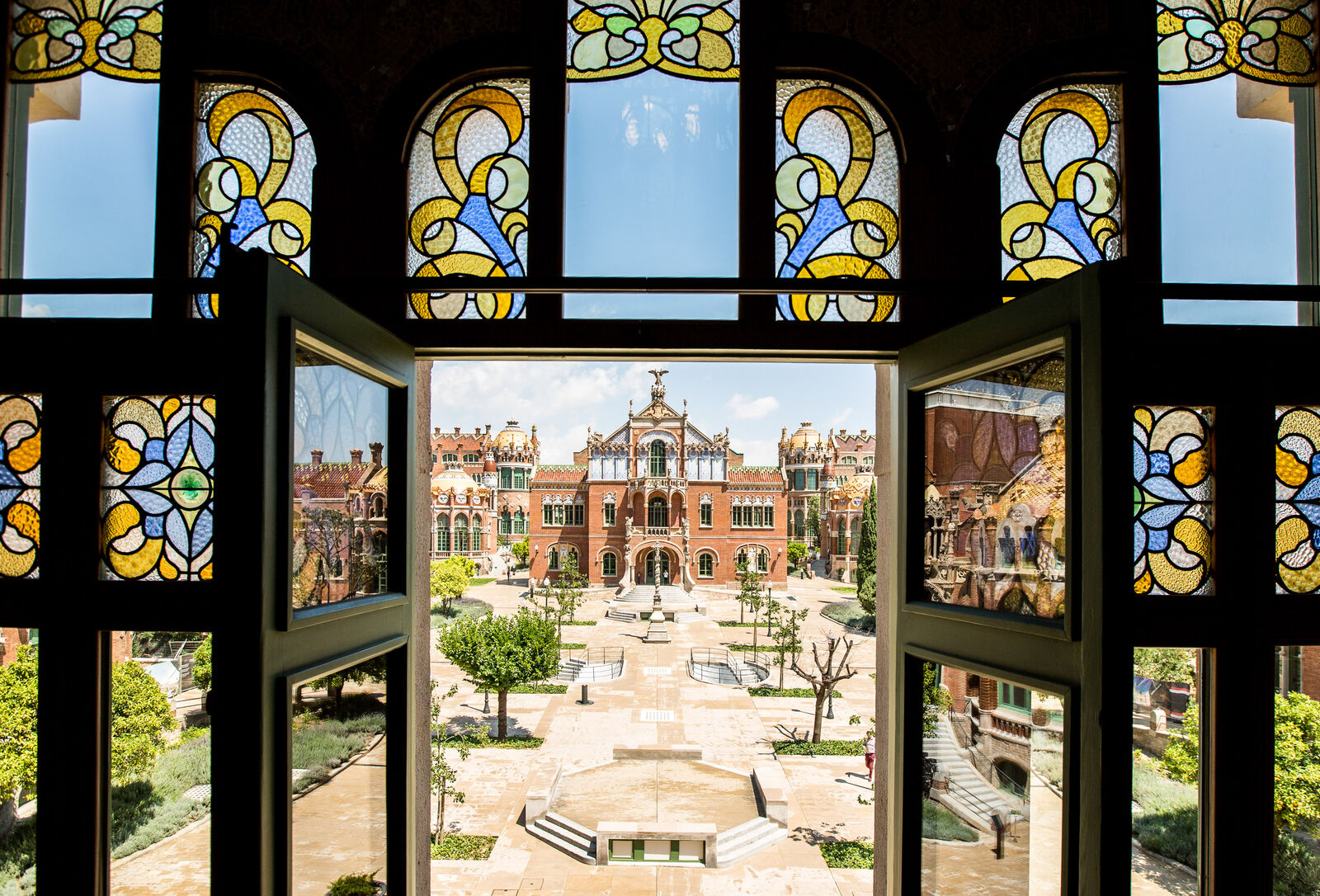
Barcelona and its home-grown art nouveau movement, modernisme, go hand in hand. The style emerged in all its glory at the end of the 19th century to reveal itself in hundreds of extremely beautiful buildings which line the way. Let yourself be captivated once again by these masterpieces in a style full of opulence, fantasy, symbolism and colour.
-
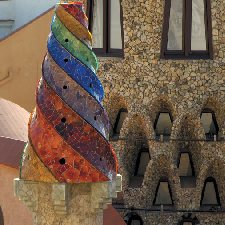
Gaudí is a name associated with Barcelona who needs to be discovered while you admire his finest landmarks: a treasure trove of forms, ideas, symbols and fantasy which is hard to surpass. The Gaudí landmarks in Barcelona give a greater understanding of one of the most famous architects who ever worked in the city.
-
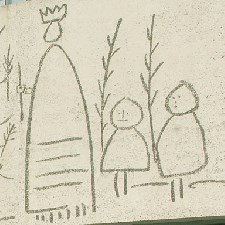
When the Malaga-born painter arrived in Barcelona he was only 14. The city offered him the art school, La Llotja, as well as the stunning light of the Mediterranean. Picasso donated a large number of his works to Barcelona which can be seen today at the city’s Museu Picasso.